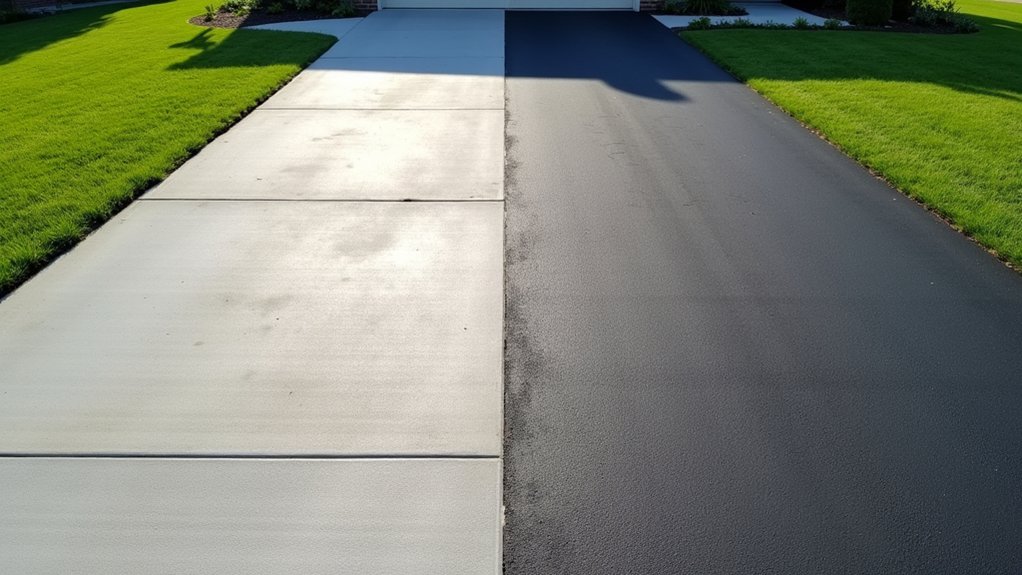
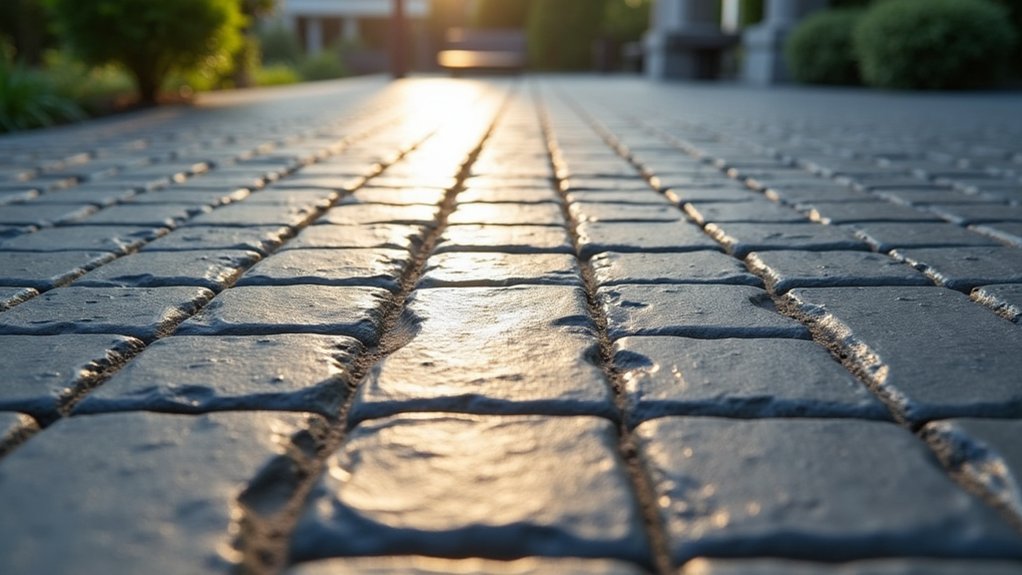
Looking to change your outdoor spaces without breaking the bank? Stamped concrete might be your ideal solution. This innovative technique allows you to create stunning, high-end surfaces that mimic expensive materials like natural stone or brick—all at a fraction of the cost. Whether you’re dreaming of a luxurious patio or an eye-catching driveway, stamped concrete offers versatility that’ll make your neighbors do a double-take. Want to know how this game-changing method can reshape your home’s aesthetic? Keep reading.
How Stamped Concrete Works
When you’re looking to convert a plain concrete surface into something extraordinary, stamped concrete offers an innovative solution. By using specialized mats and templates, contractors can imprint hidden patterns and unique textures directly into fresh concrete, transforming ordinary surfaces into stunning visual masterpieces. You’ll be amazed at how these intricate designs can mimic natural materials like stone, brick, or wood. Just as brick repair experts maintain structural integrity through techniques like tuckpointing, stamped concrete professionals ensure lasting quality and aesthetic appeal.
The process involves carefully pressing patterned stamps onto wet concrete, creating realistic, three-dimensional impressions that enhance your outdoor spaces, making them more attractive and customized.
Design Patterns and Style Options
As stamped concrete continues to gain popularity, homeowners and designers now have an incredible array of design patterns and style options to choose from. You’ll find lively color palettes that can remodel your outdoor spaces into stunning visual masterpieces. Brick replacement techniques in masonry can inspire similar precision and attention to detail in creating intricate stamped concrete patterns. Whether you want a rustic stone look, refined slate texture, or intricate brick pattern, stamped concrete offers versatile creative design layouts that match your unique aesthetic preferences. These customizable options allow you to create surfaces that seamlessly complement your home’s structural style and personal taste, making your outdoor areas truly distinctive and inviting.
Installation Process Step by Step
The stamped concrete installation process requires careful preparation and precise execution to achieve professional, long-lasting results. You’ll want to follow these critical steps:
- Surface preparation involves thoroughly cleaning and leveling the ground, ensuring a stable base for your concrete project.
- Pouring and spreading the concrete evenly requires skill, with careful attention to maintaining the right consistency and thickness.
- Applying stamping patterns and coloring must be done quickly before the concrete begins setting, creating your desired decorative finish.
The curing process is pivotal, requiring patience and proper moisture management to achieve a durable, beautiful surface that’ll amplify your outdoor space.
Cost Considerations and Pricing
After carefully preparing and installing your stamped concrete surface, understanding the associated costs becomes your next important consideration. Stamped concrete pricing varies widely, typically ranging from $8 to $20 per square foot, depending on design complexity and regional labor rates.
Your budget planning should account for material costs, professional installation, and potential customization features. Fortunately, many contractors offer financing options to help manage expenses, making this attractive home improvement more accessible. By comparing multiple quotes and understanding the long-term value, you’ll make a smart investment that boosts your property’s aesthetic appeal and durability.
Advantages and Potential Drawbacks
When evaluating stamped concrete for your outdoor spaces, you’ll discover numerous enticing advantages alongside a few potential limitations. Consider these key points:
- Aesthetic appeal: You’ll enjoy customizable patterns that mimic high-end materials like stone or brick, altering your surfaces with unique designs.
- Durability concerns: While generally long-lasting, stamped concrete might develop minor surface cracks or color fading over time, requiring periodic maintenance.
- Cost-effectiveness: Compared to natural stone, you’ll save money without sacrificing visual complexity, making it an attractive option for budget-conscious homeowners.
Your choice depends on balancing aesthetic limitations with practical performance expectations.
Maintenance and Care Tips
Since maintaining stamped concrete requires consistent care, you’ll want to develop a strategic approach to preserving its aesthetic appeal and structural integrity. Regular cleaning schedules are vital for preventing dirt buildup and potential staining. You’ll need to sweep and wash your surface monthly, using mild detergents and avoiding harsh chemicals that might damage the decorative finish.
Seasonal preparations are paramount for protecting your investment. In winter, avoid using de-icing salts, which can erode the concrete’s sealant. During summer, apply a fresh protective coating every two to three years to maintain color vibrancy and prevent wear.
Where to Use Stamped Concrete Around Your Home
Because stamped concrete offers astonishing versatility, homeowners can alter multiple outdoor and indoor spaces with this decorative material. Your design possibilities are practically limitless when considering patio design and walkway aesthetics.
Consider these prime locations for stamped concrete:
- Outdoor patios that create stunning entertainment spaces
- Walkways connecting different areas of your landscaping
- Pool decks that augment your backyard’s visual appeal
You’ll revolutionize ordinary spaces into extraordinary environments that reflect your personal style. Stamped concrete provides durability, beauty, and a sense of customization that makes your home truly unique. With strategic placement, you can heighten your property’s aesthetic and functionality.
Choosing the Right Contractor for Your Project
Although selecting the right contractor can feel overwhelming, finding a skilled professional is crucial for your stamped concrete project’s success. You’ll want to thoroughly vet potential contractors by checking their references and evaluating their portfolio examples carefully.
Look for professionals with proven experience in stamped concrete installation who can demonstrate their competence through past project photos and client testimonials. Ask about their licensing, insurance, and specific techniques they use.
Request detailed written estimates from multiple contractors, comparing their proposed approaches, timelines, and pricing to guarantee you’re making the most informed decision possible.
Frequently Asked Questions
How Long Does Stamped Concrete Last Compared to Traditional Concrete?
With proper maintenance, you’ll enjoy stamped concrete lasting 25-30 years—comparable to traditional concrete. Your long-term durability depends on regular sealing and avoiding harsh weather exposure.
Can Stamped Concrete Be Repaired if It Cracks or Chips?
You can repair cracked or chipped stamped concrete through professional restoration techniques that match your original color and texture, helping you maintain your beautiful outdoor space’s integrity.
Will Stamped Concrete Fade or Lose Its Color Over Time?
You’ll see some color fading over time, but proper surface maintenance and sealant can help preserve your stamped concrete’s rich, original color and protect its lively appearance for years.
Is Stamped Concrete Slippery When Wet or During Winter?
You’ll face traction concerns with stamped concrete when it’s wet or during winter conditions. Proper sealing and textured finishes can help reduce slipperiness and keep your outdoor surfaces safer.
How Environmentally Friendly Is the Stamped Concrete Installation Process?
You’ll appreciate how stamped concrete can be eco-friendly. Contractors often use recycled materials and techniques that reduce environmental impact, helping you make a sustainable choice for your outdoor spaces.