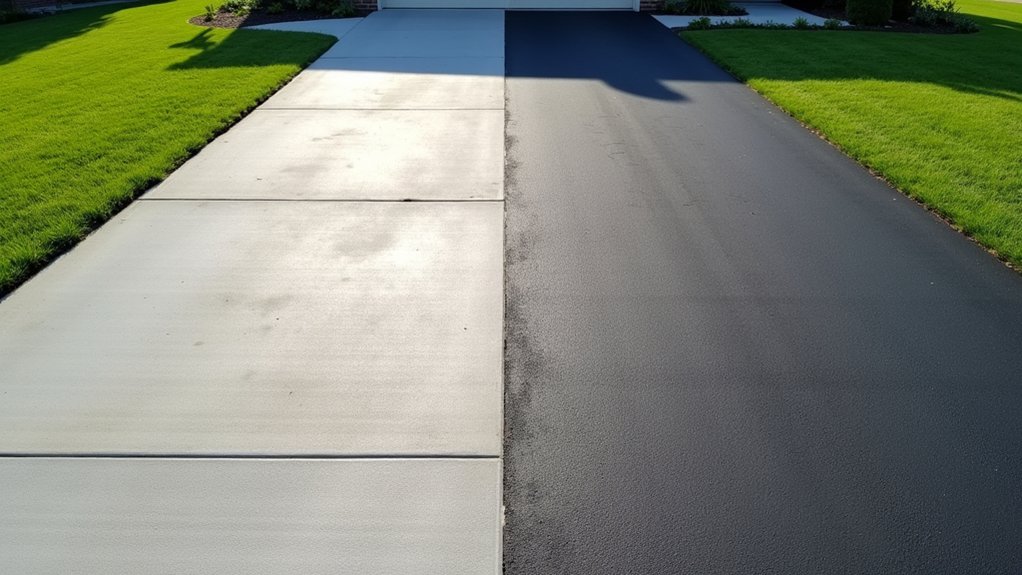
Concrete isn’t just a surface—it’s an investment in your property’s foundation and appearance. You’ll want to protect this critical material from deterioration, which happens faster than most homeowners realize. By understanding simple maintenance techniques, you can dramatically extend your concrete’s lifespan and prevent costly repairs. Curious about how small, strategic actions can make a big difference in preserving your concrete? Let’s investigate the key strategies that’ll keep your surfaces looking pristine and structurally sound.
Regular Cleaning and Debris Removal
Regular cleaning and debris removal are indispensable steps in extending the life of your concrete surfaces. Power washing can effectively remove dirt, stains, and accumulated grime that might damage your concrete over time. Foundation maintenance techniques like consistent cleaning can help prevent structural issues similar to those addressed in masonry repair.
You’ll want to schedule seasonal cleaning at least twice a year, focusing on high-traffic areas and spaces prone to debris buildup. By dedicating just a few hours to thorough cleaning, you’ll protect your investment and prevent long-term deterioration. Remember that consistent maintenance is imperative to preserving your concrete’s appearance and structural integrity.
Sealing Techniques for Concrete Protection
A strategic sealing approach can dramatically improve your concrete’s durability and resistance to environmental damage. When choosing concrete sealant application methods, you’ll want to carefully evaluate your specific needs and surface conditions. Effective protection involves selecting the right sealant product selection that matches your concrete’s unique characteristics.
Imagine a protective shield guarding against water, oil, and harsh weather. Visualize your concrete surface repelling stains and preventing crack formation. Conceptualize long-lasting durability that preserves your concrete’s pristine appearance.
Proper sealing not only extends your concrete’s life but also maintains its aesthetic appeal and structural integrity. Foundation repair techniques demonstrate the importance of proactive maintenance to prevent extensive structural damage.
Addressing Cracks and Minor Damage Promptly
Every concrete surface will inevitably develop minor cracks and damage over time, but swift intervention can prevent these small imperfections from escalating into significant structural issues. Surface monitoring is vital for catching problems early.
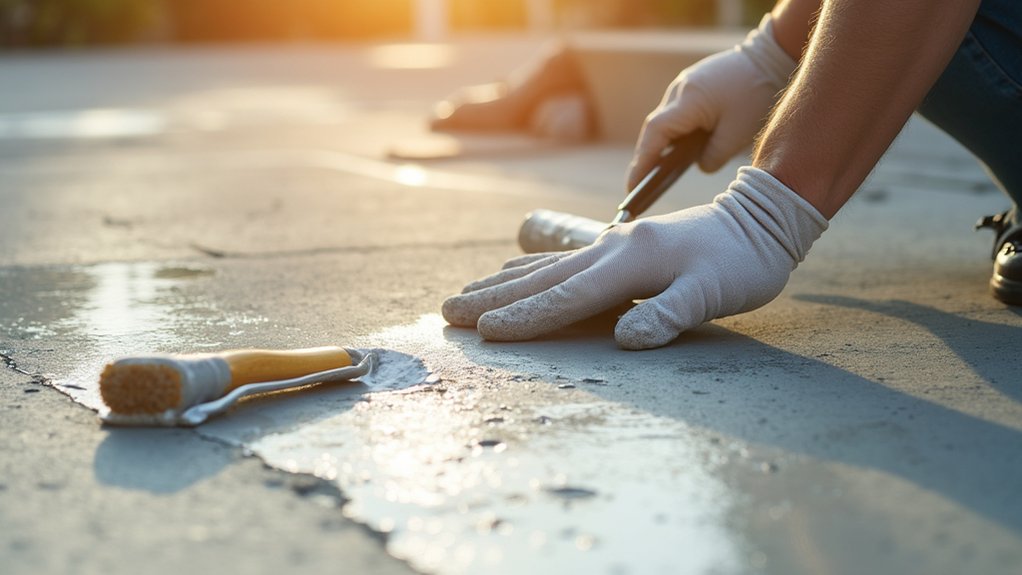
When you notice hairline cracks or minor damage, don’t ignore them—timely patching can save you expensive repairs later. You’ll want to clean the affected area, remove loose debris, and apply an appropriate concrete repair product. By addressing these small issues quickly, you’re protecting your investment and ensuring your concrete remains strong and durable for years to come.
Managing Water Drainage and Moisture Control
As cracks can compromise concrete’s integrity, water infiltration poses an equally significant threat to its long-term durability. You’ll want to protect your concrete surfaces by implementing proper grading techniques and effective dehumidification methods that prevent moisture damage.
- Guarantee your concrete slopes away from buildings to redirect water
- Install gutters and downspouts that channel water far from surfaces
- Use waterproof sealants to create a protective barrier against moisture
Protective Measures Against Chemical Exposure
Numerous chemical substances can gradually deteriorate concrete surfaces, compromising their structural integrity and appearance. You’ll want to protect your concrete from potential damage caused by harsh chemicals, oils, and other corrosive agents that can weaken its structure.
Applying a high-quality surface hardening sealant provides excellent corrosion resistance, creating a protective barrier against chemical intrusion. By investing in professional-grade treatments, you’ll shield your concrete from potential degradation, ensuring its longevity and maintaining its pristine condition. Your proactive approach will save you time and money in the long run.
Winter Care and Frost Prevention Strategies
Winter’s harsh conditions can wreak havoc on concrete surfaces, making proactive protection essential for maintaining structural integrity. By understanding freeze thaw mitigation techniques, you’ll protect your investments and prevent costly damage.
Key winter concrete care strategies include:
- Seal surfaces before freezing temperatures arrive
- Use low-impact deicing chemical alternatives
- Remove snow and moisture quickly to prevent penetration
Preventing moisture absorption is vital in minimizing potential frost-related deterioration. When deicing chemicals are necessary, choose products carefully to reduce potential surface damage. Your diligence will greatly extend concrete’s lifespan and maintain its structural strength through challenging winter conditions.
Professional Inspection and Maintenance Schedules
While concrete surfaces might seem durable, they require strategic professional oversight to maintain their long-term performance and structural integrity. You’ll want to schedule regular condition assessment surveys with experienced professionals who can spot early warning signs of potential damage.
Preventative maintenance planning helps you catch minor issues before they become costly repairs. Experts recommend annual inspections, which typically involve thorough visual examinations, measuring concrete thickness, and checking for stress fractures. By investing in professional assessments, you’re protecting your concrete and saving money in the long run, ensuring your surfaces remain strong and functional for years to come.
Appropriate Load Management and Traffic Control
The strategic management of loads and traffic patterns plays an essential role in preserving concrete surfaces and preventing premature deterioration. By carefully controlling what moves across your concrete, you’ll substantially extend its lifespan and maintain its structural integrity.
Heavy trucks create substantial stress on concrete surfaces. Uneven weight distribution accelerates surface damage. Rutting prevention requires strategic traffic routing.
Thoughtful surface reinforcement techniques can help distribute weight more evenly, reducing potential wear and cracking. You’ll want to establish designated pathways, implement weight limits, and monitor high-traffic areas to minimize potential structural compromise and guarantee your concrete remains resilient and strong.
Frequently Asked Questions
How Long Can a Well-Maintained Concrete Surface Typically Last?
With proper maintenance practices, you’ll extend your concrete’s typical service life to 30-50 years. By investing in regular care, you’ll guarantee your surface stays strong and resilient for decades.
Can DIY Concrete Repairs Effectively Prevent Further Structural Damage?
You’ll prevent structural damage by carefully addressing DIY concrete patching techniques early. Watch for warning signs like widening cracks or uneven surfaces, and tackle repairs promptly to maintain your concrete’s integrity.
What Are the Most Common Causes of Concrete Deterioration?
You’ll face concrete deterioration through freeze-thaw cycles that crack surfaces and excessive loading that stresses structural integrity, causing gradual breakdown of your precious concrete investments.
Is It Expensive to Professionally Maintain Concrete Surfaces Annually?
Professional concrete maintenance isn’t as pricey as you’d think. Cost-effective evaluations can save you thousands in long-term repairs, making annual professional check-ups a smart investment for your property’s durability.
How Quickly Do Small Concrete Cracks Become Serious Problems?
If you don’t address small concrete cracks quickly, they’ll spread rapidly. By identifying root causes and evaluating repair options early, you’ll prevent costly structural damage and maintain your concrete’s integrity.