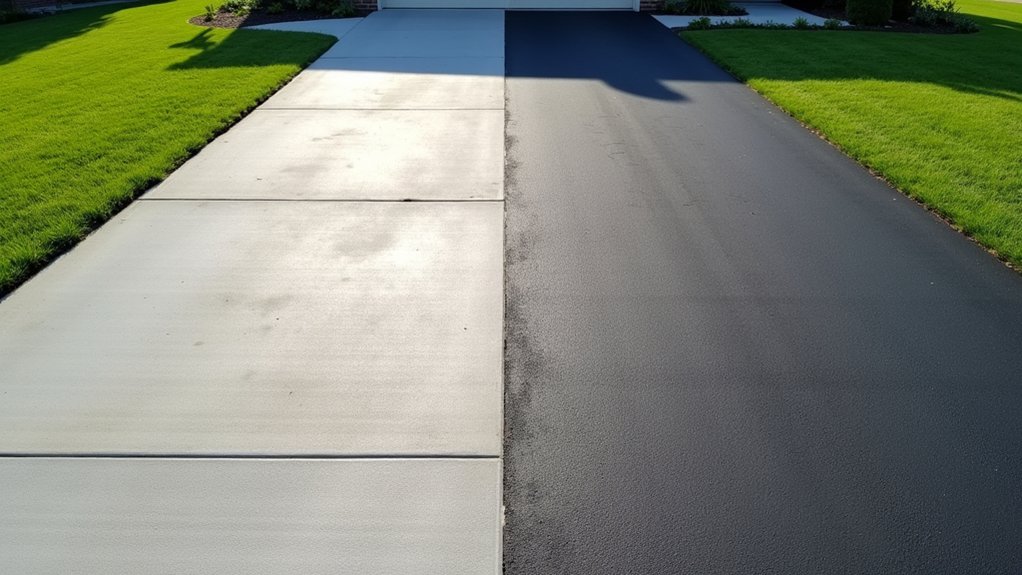

When you’re planning a long concrete path, cracking can become your worst nightmare. Understanding how concrete behaves and anticipating potential stress points is vital to creating a durable walkway that’ll stand the test of time. By implementing strategic techniques from the start, you’ll greatly reduce the risk of unsightly and structural damage. Want to know how to keep your concrete path smooth and crack-free? The next steps will reveal professional secrets that can save you time, money, and frustration.
Understanding Concrete Composition and Quality
The quality of your concrete path begins with understanding its fundamental composition. Your success depends on selecting the right mix of cement, aggregates, and water, which directly impacts durability. Tuckpointing techniques used in masonry can provide insights into preventing concrete degradation by understanding how moisture and wear affect structural integrity.
When you’re planning a long concrete path, pay close attention to the concrete curing process, which helps prevent premature cracking. Smart expansion joint design can also minimize stress and potential fractures.
Proper Ground Preparation and Base Techniques
Every successful concrete path starts with five indispensable ground preparation steps that’ll make or break your project’s long-term durability.
You’ll want to begin by thoroughly examining your soil type and ensuring proper grading for optimal drainage. Soil compaction is essential—you’ll need to compress the ground using professional-grade equipment, creating a stable foundation that prevents future settling and uneven surfaces.
Eliminating organic material, adding crushed stone layers, and creating a consistent slope are key techniques that’ll help you build a path that resists cracking and stands up to environmental challenges. Foundation repair experts recommend addressing potential ground movement issues before pouring concrete to prevent long-term structural damage.
Effective Reinforcement Strategies
After carefully preparing your ground, you’ll want to strengthen your concrete path’s structural integrity through smart reinforcement techniques. Steel reinforcement is indispensable for preventing unexpected cracking and maintaining long-term durability.
You’ll need to select proper steel reinforcement that matches your path’s specific requirements, ensuring adequate concrete coverage techniques are implemented. Wire mesh or rebar can provide essential structural support, distributing weight evenly and minimizing potential stress points.
Strategic Joint and Control Line Placement
Successful concrete path construction hinges on strategic joint and control line placement, which can dramatically reduce unsightly and structurally compromising cracking. You’ll want to plan your joints carefully to manage differential shrinkage prevention and thermal expansion accommodation.
Optimal Concrete Mixing and Pouring Methods
The key to a durable concrete path lies in precise mixing and pouring techniques that can make or break your project’s long-term performance. You’ll want to carefully measure water-to-cement ratios, ensuring consistent strength and minimizing potential cracking.
During concrete curing time, maintain proper moisture levels and temperature to bolster structural integrity. Professional concrete strength testing can help verify your mix’s quality and durability. By paying attention to these critical details, you’ll create a path that withstands environmental challenges and provides years of reliable service.
Temperature and Weather Considerations
When pouring long concrete paths, temperature and weather conditions can dramatically impact your project’s success. Thermal shock effects can cause unexpected cracking if you’re not cautious.
You’ll want to plan your concrete work during moderate temperatures, avoiding extreme heat or cold that could trigger seasonal expansion/contraction problems. Strive to pour concrete when daytime temperatures are between 50-80 degrees Fahrenheit, which helps achieve proper curing.
If unexpected weather approaches, you’ll need protective coverings like insulating blankets or plastic sheeting to shield your freshly poured concrete from sudden temperature changes.
Drainage and Water Management
Proper water management isn’t just an afterthought—it’s your concrete path’s guardian against potential damage. You’ll want to focus on strategic drainage techniques that protect your investment.
By implementing subsurface water channeling, you can redirect moisture that might otherwise compromise your path’s structural integrity. Surface water runoff management is critical; consider installing gentle slopes and using permeable materials around your concrete path. These techniques help prevent water accumulation and potential cracking.
Smart drainage solutions not only preserve your path’s appearance but also extend its longevity, ensuring you’ll enjoy a sturdy, beautiful walkway for years to come.
Regular Maintenance and Inspection Protocols
Because concrete paths require consistent care, regular maintenance and inspection become your primary defense against potential deterioration. You’ll want to schedule periodic checkups to catch early signs of wear and damage.
Perform visual assessments every six months, looking for hairline cracks, uneven surfaces, or drainage issues. Pay special attention to areas near tree roots or where water tends to pool. By being proactive, you’ll prevent minor problems from becoming costly repairs. Your diligence will help preserve the path’s integrity, ensuring a smooth and safe walkway for years to come.
Frequently Asked Questions
How Much Does Repairing Cracked Concrete Paths Typically Cost?
You’ll find repair costs ranging from $300 to $3,500, depending on crack size, concrete type, and damage extent. Your specific repair cost hinges on these key factors.
Can DIY Homeowners Successfully Prevent Concrete Cracking Without Professional Help?
You’ll successfully prevent concrete cracks by focusing on proper site preparation and strategically placing expansion joints. These techniques help you create a durable path that’ll withstand temperature changes and ground movement.
What’s the Average Lifespan of a Well-Maintained Concrete Walkway?
You’ll enjoy a concrete walkway lasting 25-30 years when you follow typical maintenance requirements and install recommended expansion joints, giving your outdoor space lasting durability and aesthetic appeal.
Are There Environmentally Friendly Alternatives to Traditional Concrete Path Construction?
You’ll love eco-friendly path options like permeable paving materials and recycled aggregate concrete that reduce environmental impact while creating beautiful, sustainable walkways for your community.
How Quickly Can Concrete Cracks Worsen if Left Unaddressed?
Concrete cracks can rapidly spread due to poor concrete curing process and inadequate expansion joints. You’ll want to address them quickly, or they’ll worsen, compromising your path’s structural integrity within weeks.