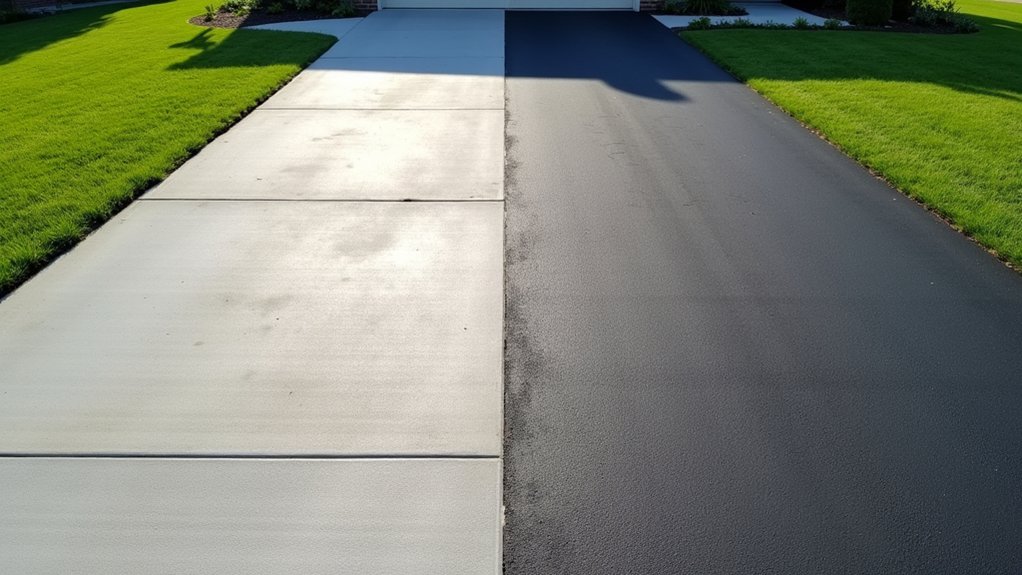
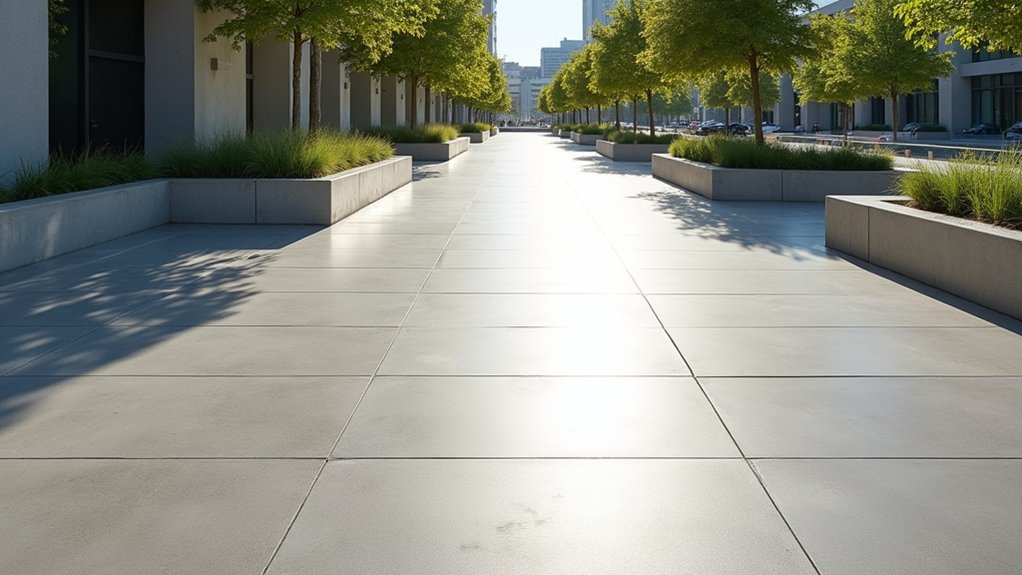
Are you tired of scorching city streets that feel like ovens during summer? Heat-reflective concrete might be the solution you’ve been searching for. This innovative material can dramatically reduce surface temperatures, making urban spaces more comfortable and energy-efficient. By bouncing back solar radiation, these specialized concrete mixtures help combat the urban heat island effect. Imagine cooler sidewalks, parking lots, and public spaces that don’t absorb and radiate intense heat. Intrigued by how this technology could alter your city’s summer experience?
How Heat-Reflective Concrete Works
When temperatures rise, heat-reflective concrete becomes a game-changing solution for managing urban heat. This innovative material reduces thermal absorption properties by incorporating specialized light-colored aggregates and reflective additives. You’ll notice how it strategically reflects solar radiation, preventing excessive heat buildup in urban environments.
Traditional concrete absorbs and radiates heat, making cities feel like scorching environments. Heat-reflective concrete alters this pattern by using advanced surface technologies that bounce sunlight away. Its intelligent design helps lower surface temperatures, creating more comfortable outdoor spaces and reducing energy consumption for cooling buildings. Brick repair expertise suggests that similar thermal management principles can be applied to urban masonry structures to mitigate heat absorption.
Key Benefits for Urban Environments
Because urban heat islands pose significant challenges, heat-reflective concrete offers revolutionary solutions for city environments. You’ll benefit from this innovative material that alters urban sceneries and enhances living conditions. Masonry stabilization techniques can further complement these cooling strategies by improving urban infrastructure resilience.
Key advantages include:
- Reduced urban heat island effect, lowering ambient temperatures
- Improved pedestrian comfort in crowded city spaces
- Decreased energy consumption for cooling buildings
Types of Heat-Reflective Concrete Mixtures
Understanding how heat-reflective concrete can alter urban environments starts with exploring its specialized mixture compositions. You’ll find these innovative materials use unique porous aggregate compositions that amplify heat reflection and cooling properties.
By incorporating specific concrete color pigmentation techniques, manufacturers create surfaces that bounce solar radiation more effectively than traditional concrete.
These mixtures aren’t just about looks—they’re smart solutions for managing urban heat islands. You’ll appreciate how lighter-colored, strategically designed concrete can dramatically reduce surface temperatures, making your city spaces more comfortable and energy-efficient during scorching summers.
Applications in Urban Planning
Cities worldwide are increasingly adopting heat-reflective concrete in urban planning strategies to combat rising temperatures and improve public spaces. By integrating sustainable infrastructure, communities can create cooler, more livable environments that reduce urban heat island effects and bolster residents’ comfort.
Key applications include:
- Revamping public walkways and parks with temperature-reducing surfaces
- Redesigning city streetscapes to minimize heat absorption
- Creating cooler community gathering spaces that promote social interaction
These innovative community planning approaches demonstrate a proactive response to climate challenges, making urban areas more resilient and enjoyable for everyone.
Manufacturing and Material Composition
When engineers develop heat-reflective concrete, they carefully select and combine specialized materials to enhance thermal performance and durability. You’ll want to understand how material sourcing impacts the final product’s effectiveness.
Concrete manufacturers focus on innovative aggregate compositions that include light-colored or reflective particles, which help deflect solar radiation and reduce heat absorption.
Cost and Performance Considerations
The innovative material compositions we’ve examined directly influence the economic feasibility and performance metrics of heat-reflective concrete. You’ll want to carefully weigh budget-friendly options against long-term durability concerns when selecting your concrete solution.
Key considerations include:
- Initial installation costs compared to potential energy savings
- Performance longevity and maintenance requirements
- Thermal reflectivity performance in varying climate conditions
Your investment in heat-reflective concrete isn’t just about immediate expenses, but about creating sustainable, comfortable spaces that adjust to challenging environmental conditions. By understanding these multifaceted performance factors, you can make an informed decision that balances cost-effectiveness with superior thermal management.
Installation and Maintenance Techniques
Although heat-reflective concrete installation might seem complex, you’ll find the process surprisingly straightforward with the right approach. You’ll want to focus on proper application methods that guarantee maximum heat reflection and durability.
Your installation team should carefully prepare the surface, apply specialized coatings uniformly, and follow manufacturer guidelines precisely. Maintaining your heat-reflective concrete requires a regular maintenance schedule, including periodic cleaning and inspecting for surface wear. By staying proactive, you’ll preserve the concrete’s reflective properties and extend its functional lifespan, keeping your surfaces cooler and more energy-efficient for years to come.
Future Innovations in Thermal Concrete Technology
Progressing beyond current maintenance techniques, researchers are pushing the limits of thermal concrete technology with exciting new developments. You’ll soon see pioneering innovations that alter how we think about building materials and temperature management.
Key future innovations include:
- Nanotechnology additives that enhance thermal energy storage capabilities
- Smart concrete with embedded sensors for real-time temperature monitoring
- Self-adjusting concrete that adapts to environmental stress and temperature changes
These advancements promise to remake urban infrastructure, making your spaces cooler, more efficient, and environmentally responsive.
Frequently Asked Questions
Can Heat-Reflective Concrete Lower My Home’s Cooling Expenses?
You’ll save on cooling costs with heat-reflective concrete, enhancing your home’s energy efficiency benefits and combating reduced urban heat island effects while staying comfortably cool.
Is Heat-Reflective Concrete Safe for Children and Pets?
You’ll find heat-reflective concrete uses safe surface temperatures and pet-friendly materials, ensuring your family and furry friends can comfortably enjoy outdoor spaces without risk of burns or discomfort.
How Long Does Heat-Reflective Concrete Maintain Its Thermal Properties?
You’ll find heat-reflective concrete maintains its thermal properties for 10-15 years with proper surface maintenance. Regular cleaning and occasional resealing help preserve its cooling effectiveness throughout its lifespan.
Will Heat-Reflective Concrete Look Different From Traditional Concrete Surfaces?
You’ll notice subtle differences in heat-reflective concrete. Its color variation and surface texture modifications might appear slightly lighter and smoother than traditional concrete, helping you feel part of an innovative, cool solution.
Can I Use Heat-Reflective Concrete for My Personal Driveway?
You can install heat-reflective concrete on your driveway, but consider higher initial costs and slightly more complex maintenance requirements compared to traditional concrete surfaces.