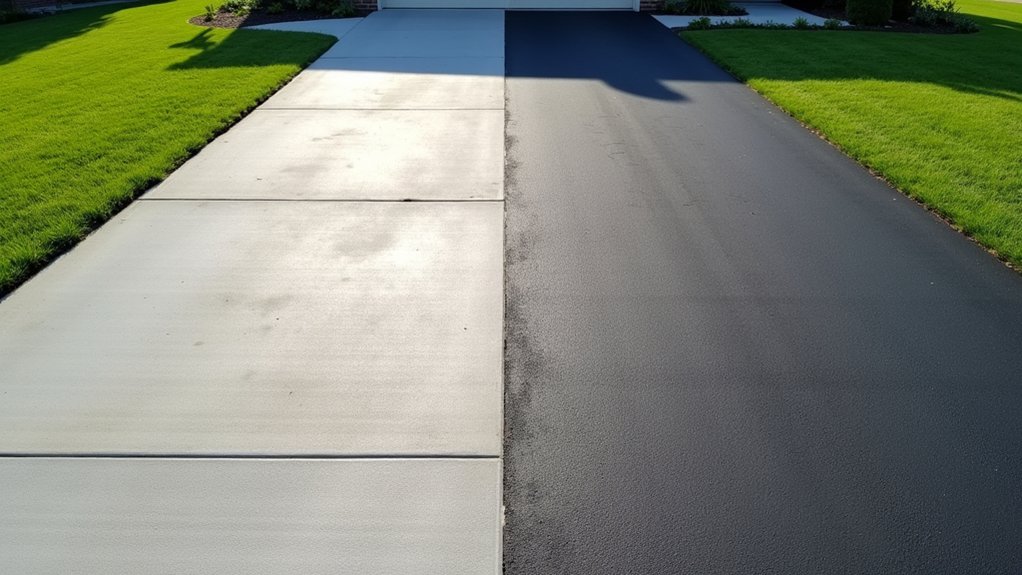

When you’re deciding between epoxy and stained concrete flooring, you’ll want to ponder more than just appearance. Your choice impacts durability, maintenance, and long-term costs. Each surface offers unique benefits that could alter your space, but which one matches your specific needs? Understanding the subtle differences can help you make a resolute decision that’ll serve you well for years to come.
Understanding Epoxy Flooring Basics
When considering flooring options for your home or business, epoxy flooring emerges as a versatile and durable solution. It’s a specialized coating that alters concrete surfaces through advanced epoxy chemistry, creating a seamless and resilient floor. Just as brick repair experts address structural integrity in masonry, epoxy provides critical maintenance for concrete surfaces.
The epoxy thickness determines its strength and longevity, typically ranging from 2-10 millimeters depending on your specific needs. You’ll appreciate how this material bonds directly to concrete, providing exceptional resistance to wear, chemicals, and moisture.
Whether you’re looking for a sleek industrial look or a protective surface for high-traffic areas, epoxy offers a reliable and attractive flooring solution that can meet your unique requirements.
Exploring Stained Concrete Fundamentals
Although concrete has long been valued for its longevity, stained concrete offers a revolutionary approach to flooring that goes beyond customary gray surfaces. You’ll uncover that concrete coloring techniques transform ordinary floors into stunning, personalized spaces. Masonry professionals can expertly apply these transformative techniques to ensure optimal results and durability.
Concrete staining methods allow you to infuse rich, translucent colors that penetrate deep into the surface, creating unique, variegated effects. Whether you’re seeking an earthy, modern aesthetic or a vibrant, artistic statement, stained concrete provides versatile design possibilities.
Cost Comparisons and Installation Considerations
Since budget and installation complexity play crucial/central/key roles in flooring decisions, you’ll want to carefully compare epoxy and stained concrete options. Stained concrete typically costs less upfront, ranging from $2 to $15 per square foot, while epoxy can run $3 to $25 per square foot, depending on design complexity and preparation needs.
Your timeline matters too. Stained concrete installation takes 2-3 days, whereas epoxy requires more detailed surface preparation and curing time, potentially extending your project to 5-7 days. Consider your patience and project constraints when choosing.
Durability and Performance Breakdown
Because durability can make or break your flooring investment, understanding the performance characteristics of epoxy and stained concrete is essential. Epoxy floors typically offer superior resistance to heavy impacts, chemicals, and daily wear and tear, making them ideal for high-traffic areas.
Stained concrete, while attractive, can be more vulnerable to scratches and requires periodic sealing to maintain its appearance. Your longevity considerations should focus on the specific environment and expected usage. Professional installers recommend evaluating your space’s unique demands to determine which surface will provide the most resilient and long-lasting solution for your needs.
Aesthetic Differences and Design Potential
Where durability meets design, your flooring choice becomes a canvas for personal expression. When comparing epoxy and stained concrete, you’ll uncover unique visual texture options that alter spaces:
- Epoxy offers seamless, glossy finishes with bold color customization
- Stained concrete provides natural, organic-looking design possibilities
- Metallic epoxy creates dramatic, marble-like visual effects
- Concrete stains deliver subtle, earth-toned transformations
Your floor isn’t just a surface—it’s a statement. Whether you’re seeking modern sophistication or rustic charm, these materials let you craft an environment that truly reflects your personal style and aesthetic vision.
Maintenance Requirements for Each Surface
While both epoxy and stained concrete demand attention to maintenance, their care routines differ significantly in complexity and frequency. Epoxy floors require less frequent cleaning routines, typically needing simple sweeping and occasional mopping with mild detergents.
Stained concrete, however, needs more periodic resealing to preserve its color and protective layer. You’ll want to clean stained concrete regularly and reseal it every two to three years to maintain its appearance and durability. Your maintenance strategy will depend on foot traffic, environmental conditions, and your desired aesthetic longevity.
Best Applications for Epoxy Floors
Understanding the maintenance needs of different flooring options naturally leads us to investigate where epoxy floors truly excel. These durable surfaces shine in specific environments where performance matters most:
- High traffic environments like warehouses and commercial spaces
- Moisture prone areas such as garages and basements
- Industrial settings requiring chemical resistance
- Spaces needing seamless, easy-to-clean flooring
You’ll appreciate how epoxy converts challenging spaces into resilient, attractive surfaces. Its ability to withstand heavy use and resist stains makes it an ideal choice for professionals and homeowners seeking long-lasting, low-maintenance flooring solutions that combine practicality with aesthetic appeal.
Best Applications for Stained Concrete Surfaces
Although concrete staining offers extraordinary design versatility, certain environments truly showcase its revolutionary potential. You’ll find stained concrete shines brightest in residential and commercial applications where aesthetic appeal meets practicality.
In homes, your living rooms, patios, and kitchen floors can modify with rich, translucent color layers that highlight concrete’s natural texture. Meanwhile, commercial spaces like restaurants, retail stores, and offices benefit from stained concrete’s durability and professional appearance.
Whether you’re seeking a modern, industrial look or a warm, inviting ambiance, stained concrete evolves seamlessly to your design vision.
Frequently Asked Questions
Can Epoxy and Stained Concrete Be Applied Over Existing Flooring?
You’ll need proper surface preparation to apply epoxy or stained concrete over existing floors. Check the underlying surface’s compatibility and condition to guarantee successful adhesion and a lasting, professional finish.
How Long Do These Floor Finishes Typically Last Before Replacement?
You’ll find these floor finishes can last 10-20 years with proper maintenance. Regular cleaning and avoiding harsh impacts will help extend your floor’s typical lifespan and keep it looking pristine.
Are These Floor Treatments Safe for Homes With Pets and Children?
You’ll want flooring that’s safe for your loved ones. Choose non-toxic materials with slip-resistant surfaces to protect pets and children from potential hazards in your shared living space.
Do Epoxy or Stained Concrete Floors Increase Home Resale Value?
You’ll find both epoxy and stained concrete can elevate home resale value when installed professionally. These cost-effective renovations appeal to buyers seeking modern, durable flooring that looks polished and well-maintained.
Can These Floor Finishes Be DIY Projects or Require Professional Installation?
You’ll need moderate to advanced DIY skills for epoxy and stained concrete. Professional knowledge is recommended for complex applications, ensuring a flawless finish that’ll make you proud of your home’s change.