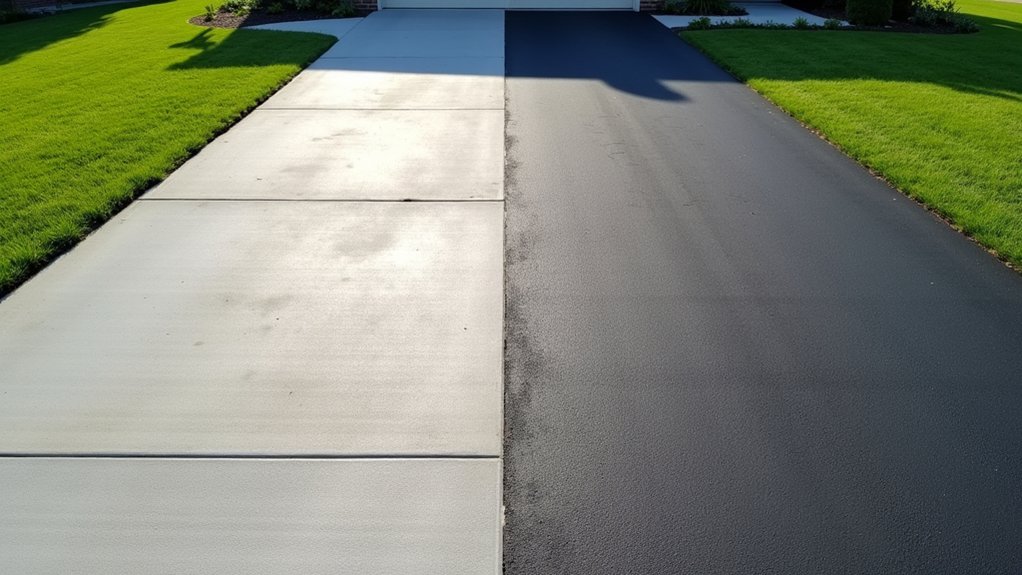
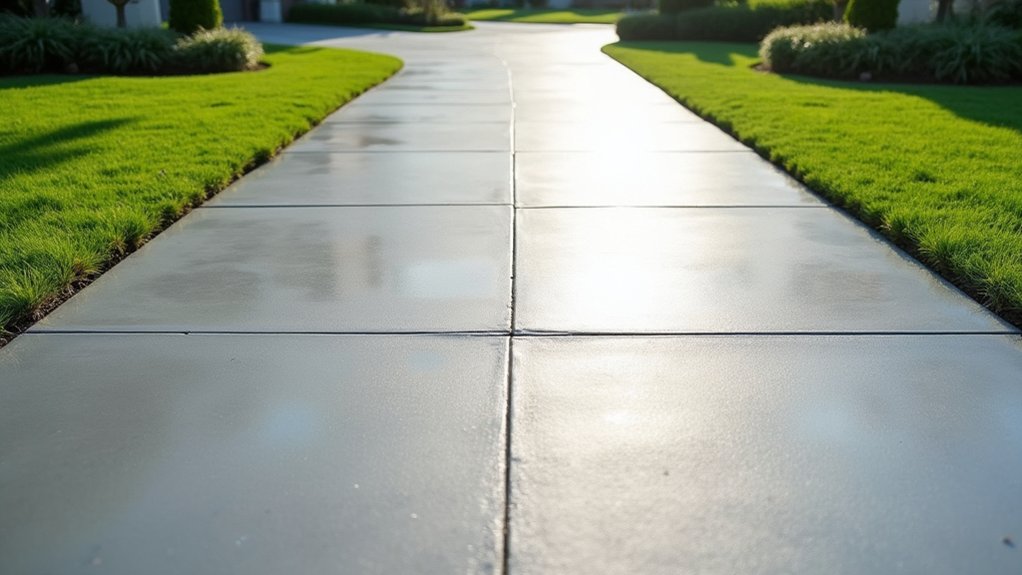
You’re probably wondering how long your new concrete driveway will last before needing replacement. A typical concrete driveway can serve you well for 25-30 years, depending on several critical factors. Your installation quality, maintenance efforts, and local climate will vastly influence its lifespan. Want to guarantee you maximize your driveway’s durability and avoid costly early repairs? Keep reading to reveal the key strategies that can help you protect your concrete investment.
Understanding the Average Concrete Driveway Lifespan
When you’re investing in a new concrete driveway, understanding its potential longevity is indispensable for long-term planning and maintenance. Your concrete driveway’s performance depends on several critical factors, including installation quality, climate conditions, and regular maintenance.
Typically, a well-constructed concrete driveway can last 25-30 years, with professional installation and proper care substantially extending its surface quality. Environmental stressors like extreme temperatures, heavy vehicle traffic, and moisture can impact your driveway’s durability. Foundation repair techniques demonstrate that proactive maintenance can significantly extend the structural integrity of concrete surfaces.
Key Factors Affecting Concrete Driveway Durability
The longevity of your concrete driveway hinges on several essential determinants that can greatly influence its structural integrity and performance. Your concrete mix design plays a critical role in durability, determining how well the surface will withstand environmental challenges. Proper soil preparation is equally vital, ensuring a stable foundation that prevents cracking and settling. Climate conditions, installation techniques, maintenance practices, and traffic load also considerably impact your driveway’s lifespan. By understanding and addressing these key factors, you’ll maximize your investment and enjoy a sturdy, long-lasting concrete surface that enhances your property’s appearance and functionality. Tuckpointing maintenance techniques can provide additional insights into preserving structural integrity, much like how professionals address mortar deterioration in masonry structures.
Climate Impact on Concrete Driveway Longevity
How dramatically can climate influence your concrete driveway’s lifespan? Extreme temperature variations, particularly harsh freeze-thaw cycles, can substantially deteriorate your concrete surface. When water seeps into tiny cracks and repeatedly freezes and thaws, it expands and contracts, gradually weakening the concrete’s structural integrity.
Intense sun exposure also contributes to surface degradation, causing gradual cracking and discoloration. Your driveway’s resilience depends on how well it can withstand these environmental challenges. Proper installation, quality materials, and professional sealing can help protect your concrete from climate-related wear and extend its overall durability.
Installation Quality and Its Role in Driveway Performance
Beyond climate challenges, your concrete driveway’s performance heavily depends on professional installation practices. A skilled contractor’s skill can make or break your driveway’s longevity and durability. Proper curing techniques are essential, ensuring the concrete develops maximum strength and resistance to wear.
When you invest in a high-quality installation, you’re protecting your property’s value and appearance. Experienced professionals understand the intricate process of laying concrete, from ground preparation to precise finishing techniques. They’ll help you avoid common installation mistakes that could compromise your driveway’s structural integrity and long-term performance.
Essential Maintenance Practices for Extending Driveway Life
While neglecting your concrete driveway might seem tempting, regular maintenance can dramatically extend its lifespan and prevent costly repairs. Caring for your driveway isn’t just about appearances—it’s about protecting your investment and creating a welcoming entrance to your home.
Here are 3 essential maintenance practices:
- Regular cleaning to remove dirt and stains
- Ensuring proper drainage to prevent water damage
- Sealing the concrete every few years to protect against wear
Signs Your Concrete Driveway Needs Repair or Replacement
Wondering if your concrete driveway is silently signaling for help? Watch for telltale signs that indicate potential repair needs.
Cracks in the surface, especially those wider than a quarter-inch, suggest structural stress and potential water damage. Uneven settling can create dangerous sections that compromise your driveway’s integrity and your property’s appearance.
If you notice significant chipping, deep fissures, or areas where the concrete is crumbling, it’s time to take action. Don’t wait until minor issues become major expenses. Proactive maintenance can save you time, money, and headaches in the long run.
Cost Considerations for Driveway Maintenance and Replacement
Maintaining or replacing a concrete driveway can be a significant investment, with costs varying widely depending on several key factors. Your budget and financing options will play an indispensable role in your decision-making process.
Consider these important cost considerations:
- Repair costs range from $500 to $3,000
- Full replacement typically costs $8,000 to $15,000
- Annual maintenance expenses average $300 to $500
When planning your driveway project, you’ll want to investigate different financing methods. Some homeowners choose personal loans, while others save gradually. Your specific circumstances and long-term goals will determine the most suitable approach for managing these expenses.
Comparing Concrete Driveways to Alternative Driveway Materials
A concrete driveway isn’t your only option when evaluating materials for your home’s entryway. You’ll find alternative paving materials like asphalt, gravel, and pavers offer unique advantages.
Each material brings different driveway aesthetics and maintenance requirements to contemplate. Asphalt might be cheaper upfront, while pavers provide more design flexibility. Gravel offers a rustic look but requires more frequent maintenance.
Your choice depends on budget, climate, and personal style preferences. Compare initial costs, durability, and long-term maintenance expenses carefully to make the best decision for your home’s entrance.
Frequently Asked Questions
Can I Install a Concrete Driveway Myself or Hire a Professional?
You’ll want to carefully weigh your DIY skills and material costs before deciding. Hiring a professional guarantees quality, but if you’ve got concrete experience, you could save money by tackling the project yourself.
How Soon Can I Park My Car on a New Concrete Driveway?
You’ll need to wait at least 7 days before parking your car, allowing proper curing duration and ensuring the concrete reaches suitable weight capacity for vehicle support.
Do Concrete Driveways Crack in Extreme Temperatures or Weather Conditions?
Concrete can crack during extreme temperatures due to expansion and severe precipitation. You’ll want proper installation with control joints and quality concrete mix to minimize potential damage from harsh weather conditions.
What’s the Best Way to Remove Oil Stains From Concrete Driveways?
You’ll want to tackle oil stains using a pressure washing technique combined with chemical degreasers. These methods effectively lift stubborn marks, helping you restore your driveway’s clean, welcoming appearance.
Is It Possible to Change the Color of an Existing Concrete Driveway?
You can modify your concrete driveway’s appearance with color overlay application or decorative concrete resurfacing. These techniques let you revamp your space without complete replacement, creating a customized look that’ll make your property stand out.